Asanta: A Timeless Script Font for Makers and Creative Sellers
Bringing Candle Labels to Life with Asanta
As I sat down at my desk to design a new line of candle labels, I reached for Asanta. The font felt like the perfect fit—elegant but not overly formal, with a modern edge that complements handmade products. I had just printed a test label for a lavender soy candle, and the way Asanta flowed across the kraft paper label gave it a boutique feel without looking too fussy. It was the kind of detail that makes customers pause and say, “This looks special.”
What Makes Asanta Unique
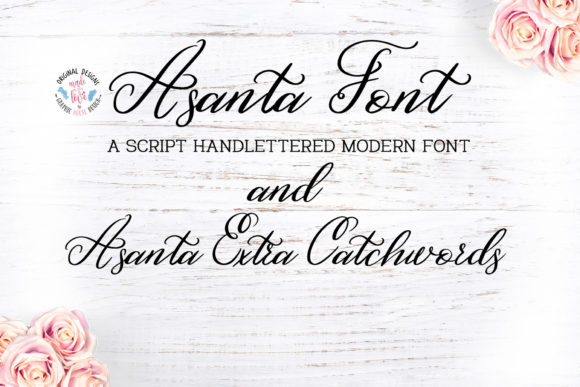
Asanta is a script font that walks the line between classic calligraphy and contemporary design. It’s not so thin that it disappears on a printed label, and not so bold that it overwhelms a delicate greeting card. The letterforms are balanced, with natural variation in stroke weight that gives it a hand-crafted charm. It’s the kind of font you’d use for a wedding invitation or a boutique tag, but also for a digital download preview or a planner page header.
What really sets Asanta apart is its versatility. It works beautifully in both digital and print formats. Whether I’m designing a sticker sheet for a seasonal planner or printing a sign for a farmers market booth, Asanta adapts with grace. The font has a warm, inviting mood that makes it ideal for products with a personal touch.
Real-World Uses for Asanta in Your Shop
I’ve used Asanta across a variety of handmade products and shop materials. Here are a few ways it’s elevated my designs:
- Candle labels: Perfect for product names and scent descriptions, especially when paired with a clean sans serif for secondary text.
- Greeting cards: Adds a soft, elegant touch to card fronts and inside greetings.
- Wedding invitations: Works beautifully for couple names, event titles, and RSVP cards.
- Printable wall art: Ideal for quotes, scripture verses, and minimalist home decor.
- Boutique tags: Great for brand names, product tags, and hangtags on clothing or accessories.
- Digital downloads: Looks polished in template previews, especially for planners, journals, and calendars.
How Asanta Enhances Product Presentation
Typography matters more than many makers realize. The right font can make a product feel more premium, more personal, or more intentional. Asanta gives my handmade items a professional edge without losing the warmth of a handmade aesthetic. It helps create a sense of brand consistency, especially when used across packaging, labels, and digital assets.
When customers see Asanta on a candle label or a greeting card, it signals quality and care. It’s subtle, but it makes a difference in how a product is perceived. The font’s elegant curves and flowing lines also evoke a certain emotional appeal—soft, inviting, and trustworthy.
Best Uses for Asanta
Asanta shines in short-form text. It’s ideal for:
- Names and titles
- Brand tags and logos
- Labels and tags
- Signage and display text
- Decorative phrases and quotes
It’s not recommended for long paragraphs or body text, as the script style can become difficult to read in extended use. However, it pairs beautifully with other fonts to create a balanced design. Try combining Asanta with a clean sans serif like Montserrat or a simple serif like Playfair Display for contrast and readability.
Readability Tips for Using Asanta
When working with Asanta on physical products, especially those made with cutting machines or printed at small sizes, keep readability in mind. Here are a few tips:
- Use at a legible size: For stickers and labels, aim for at least 12pt to ensure clarity.
- Adjust spacing: Kerning can affect how connected or spaced the letters appear—especially important for vinyl cutting or digital mockups.
- Test before printing: Always do a test print or preview, especially for product packaging or digital templates.
- Consider stroke weight: In digital mockups, ensure the font holds up at different resolutions and doesn’t pixelate.
Pairing Asanta with Other Fonts
Font pairing is a key part of good design, and Asanta works well with several styles. Here are a few combinations I’ve used successfully:
- With a clean sans serif: Great for labels and packaging where clarity and elegance are both important.
- With a classic serif: Perfect for wedding stationery and formal invitations.
- With a bold display font: Ideal for contrast in signage, tote bags, or mug designs.
- With a second script font: Use sparingly to add visual interest without clutter.
Checking Font Features Before Use
Before using Asanta in your shop, make sure to check what’s included in the font package. Look for:
- Alternate characters and ligatures
- Swashes and stylistic sets
- Multilingual support
- Commercial licensing details
- Available file formats (OTF, TTF, WOFF)
These features can affect how you use the font in different design software or with cutting machines. Commercial licensing is especially important if you’re selling physical products, printables, or digital templates.
Designing with Asanta Across Seasons and Themes
I’ve found Asanta to be a year-round font that adapts well to different themes. Whether I’m designing holiday tags in December or spring-themed wall art in March, the font’s timeless quality makes it versatile. I’ve used it for farmhouse signs, boutique packaging, and even digital template previews for seasonal planners.
It’s especially effective in holiday designs, where a touch of elegance can elevate a product. From Valentine’s Day cards to Easter tags and fall-themed mugs, Asanta brings a sense of warmth and intentionality to every design.