Baby Amanda: A Delicate Handwritten Font for Makers and Creative Sellers
I was sitting at my desk last week, finalizing a new line of soy candles for my Etsy shop, when I realized the labels needed something more personal. I had tried a few modern sans serifs, but they felt too generic. That’s when I opened up Baby Amanda and typed out “Lavender Fields” for the first time. Instantly, the label felt like it had a soul—soft, flowing, and full of warmth. That’s the magic of Baby Amanda, a delicate handwritten font that brings a personal, almost poetic touch to any handmade or printed product.
What Makes Baby Amanda Unique?
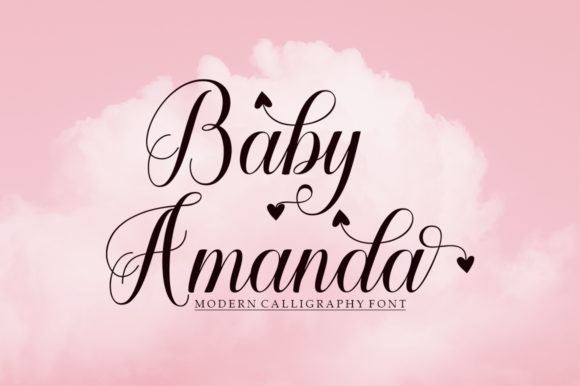
Baby Amanda isn’t just another script font. It’s crafted with intention, featuring gentle curves, subtle flourishes, and a natural rhythm that mimics real handwriting. It’s the kind of font you’d imagine seeing on a handwritten love letter or a charming boutique tag. The lowercase letters have a soft bounce, while the uppercase letters are elegant without being too formal. The font has a flowing, almost musical quality that makes it perfect for short phrases, names, titles, and decorative text.
What really sets Baby Amanda apart is that it’s PUA encoded. That means all the special characters, ligatures, and alternates are accessible in design programs like Adobe Illustrator, Canva, and even Cricut Design Space. This makes it incredibly user-friendly for crafters and digital designers alike, especially when creating custom SVG files or printables.
Perfect for Handmade Labels, Invitations, and Packaging
If you sell candles, soaps, or any kind of artisanal product, you know how important packaging is. Baby Amanda elevates simple label designs with its soft, elegant script. I recently used it for a set of holiday candle labels and was amazed at how it gave each one a boutique feel. Whether printed on kraft paper or glossy sticker sheets, the font’s natural flow adds a touch of sophistication without feeling overdone.
Wedding invitations and stationery are another great use case. Baby Amanda’s romantic, flowing style works beautifully for names, dates, and event details. Paired with a clean serif font like Playfair Display or a minimalist sans serif like Montserrat, it creates a balanced, modern yet timeless look. I’ve also used it for planner pages and digital wall art, where the font’s softness makes the text feel approachable and warm.
Designing with Baby Amanda: Practical Tips
One thing I’ve learned from using Baby Amanda across different projects is that it shines best when given space. Since it’s a script font, it can get a bit crowded if used in very small sizes or long paragraphs. I recommend using it for short text—like product names, quotes, or headings—rather than body copy.
- For stickers and labels: Keep the font size above 14pt to ensure readability, especially on small items.
- For digital downloads: Use Baby Amanda in preview images to show off the font’s charm and flow.
- For product mockups: Apply it to packaging tags, gift tags, or signage to create a cohesive brand look.
When working with cutting machines like Cricut or Silhouette, make sure to check the font’s outline view before cutting. Baby Amanda’s delicate strokes can sometimes be tricky at very small sizes, so always test on a sample material first.
Font Pairing Ideas for a Balanced Look
While Baby Amanda is stunning on its own, pairing it with complementary fonts can really enhance your design. Here are a few combinations I’ve used successfully:
- Baby Amanda + Montserrat – Clean, modern, and minimal. Perfect for boutique packaging or planner inserts.
- Baby Amanda + Cinzel – A bit more dramatic, ideal for holiday tags or vintage-inspired wall art.
- Baby Amanda + Quicksand – Friendly and approachable, great for children’s products or greeting cards.
These combinations keep the overall design from feeling too busy while letting Baby Amanda take center stage.
Where to Use Baby Amanda in Your Creative Business
From seasonal tags to digital templates, Baby Amanda is versatile enough to fit into many creative niches. Here are a few real-world applications I’ve tested in my own shop:
- Candle Labels – Adds a soft, artisanal touch that customers love.
- Wedding Welcome Boards – Perfect for names and event titles.
- Printable Wall Art – Ideal for quotes and short phrases that need an emotional lift.
- Digital Planner Pages – Great for section headers and decorative elements.
- Boutique Packaging – Makes your brand feel more personal and high-end.
Whether you’re creating SVG cut files for a Cricut project or designing a printable birthday card, Baby Amanda brings a unique charm that elevates your work.
Things to Consider Before Using Baby Amanda in Your Shop
Before you start selling products or templates that use Baby Amanda, it’s important to check the font’s licensing. Most premium fonts like this one include a commercial license, which means you can use them in physical products, digital downloads, and even logos. However, always confirm the specific terms with the seller or foundry.
Also, make sure you’re downloading the full font package, which often includes multiple file formats (OTF, TTF, WOFF), alternates, ligatures, and swashes. These extras give you more design flexibility and help you create polished, professional results.
Why Baby Amanda Belongs in Your Design Toolkit
As a maker and product creator, I’m always on the lookout for design tools that feel both beautiful and functional. Baby Amanda has become a go-to font in my workflow—not just for its visual appeal, but for how it enhances the emotional connection with my customers. Whether it’s a handwritten tag on a handmade soap or the title of a printable quote, this font adds a personal, heartfelt touch that sets your work apart.